
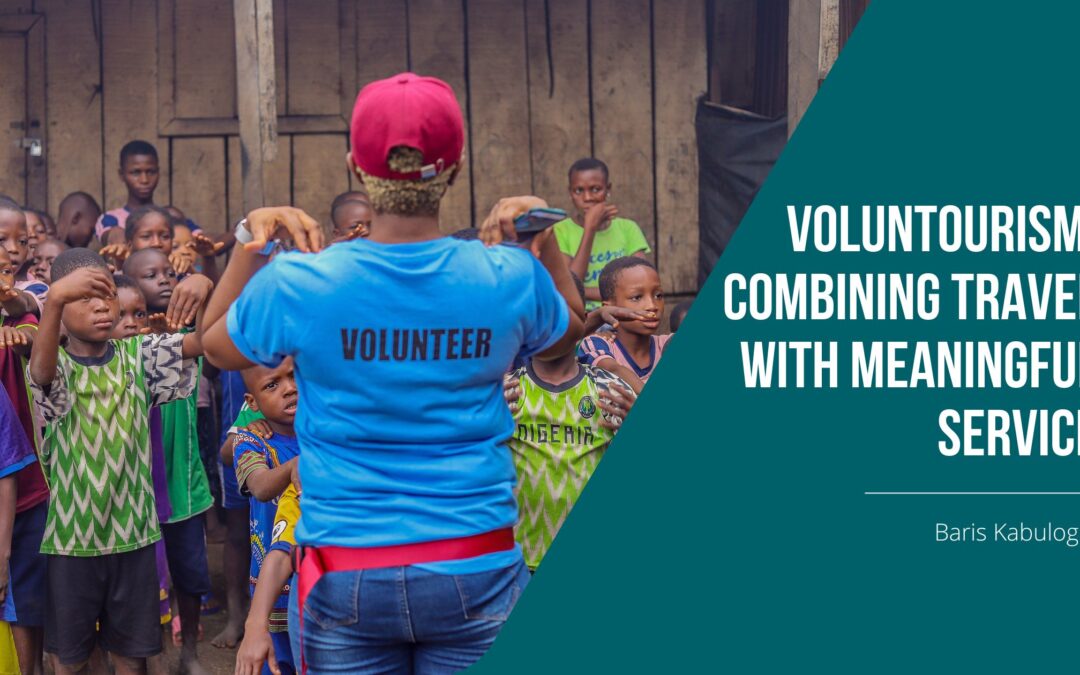
In recent years, a growing number of travelers have sought more than just sightseeing and relaxation during their trips. They’re looking for purpose, connection, and impact. This desire has given rise to “voluntourism”—a blend of volunteering and tourism that allows individuals to contribute to communities while exploring new parts of the world.
At its core, voluntourism is about using travel as a force for good. Instead of being passive visitors, voluntourists actively engage with local communities through service. This might mean helping build schools in rural villages, participating in wildlife conservation efforts, teaching English to children, or assisting with sustainable farming projects. These experiences can transform not only the communities served but also the travelers themselves.
The Benefits of Voluntourism
One of the most compelling aspects of voluntourism is its potential to foster cultural exchange. Volunteers work closely with locals, often in small groups, allowing them to develop authentic relationships and gain a deeper understanding of the culture and challenges faced by the community. It’s an opportunity to step outside the tourist bubble and see a destination through a more personal and meaningful lens.
For travelers, voluntourism offers a chance to develop valuable skills and broaden perspectives. Problem-solving, adaptability, teamwork, and cross-cultural communication are just a few of the benefits gained. These skills can have lasting personal and even professional benefits, enriching future endeavors and fostering a more global mindset.
Choosing Ethical and Impactful Programs
However, voluntourism isn’t without its controversies. Critics argue that some programs prioritize the experience of the volunteer over the actual needs of the community, or that short-term projects can do more harm than good. For instance, when untrained travelers volunteer at orphanages or in schools, it may disrupt the local system or unintentionally contribute to dependency rather than empowerment.
To avoid these pitfalls, it’s crucial to research organizations carefully. Look for programs that are community-led, meaning the locals identify the needs and direct how volunteers are integrated. Reputable organizations will also provide training, set realistic expectations, and prioritize long-term impact over feel-good moments.
Ask questions like:
- What does the community gain from my involvement?
- Are there local professionals who could be hired instead?
- How does the organization ensure sustainable development?
Making the Most of Your Experience
If you choose to volunteer abroad, go with an open mind and a willingness to learn. Listen more than you speak. Respect cultural norms. Understand that your role is to support, not to lead. Even if your tasks feel small, your presence and effort can be deeply appreciated when aligned with genuine community needs.
Bring the experience home with you. Share what you’ve learned, support global causes, and consider how you can continue to serve locally. The real impact of voluntourism isn’t just what you leave behind—it’s how you carry the lessons forward.
In a world where travel often revolves around indulgence, voluntourism is a refreshing reminder that we can explore the world while making a positive difference. By choosing to serve, travelers not only enrich the lives of others but often find deeper purpose in their own journey.