
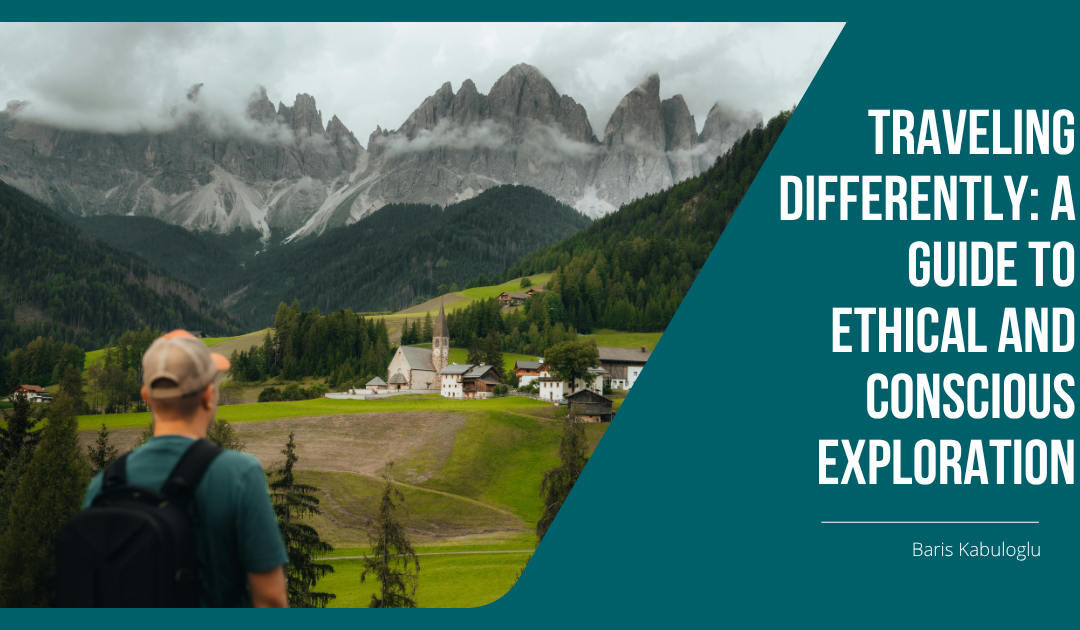
Travel has long been associated with escape, adventure, and discovery. But in today’s interconnected world, it’s also an opportunity to make thoughtful choices that positively impact the places we visit. Ethical and conscious exploration goes beyond ticking destinations off a list—it’s about traveling with awareness, respect, and intention.
As global tourism continues to grow, so does its impact on local communities, cultures, and ecosystems. From overcrowded landmarks to environmental degradation, the effects of careless travel are becoming harder to ignore. Fortunately, a shift is underway. More travelers are choosing to explore the world differently—seeking meaningful experiences while minimizing harm and contributing positively along the way.
Understanding the Impact of Your Journey
Every trip leaves a footprint. Whether it’s the carbon emissions from flights, the waste generated during your stay, or the economic impact of where you spend your money, your choices matter. Conscious travelers take the time to understand these effects and adjust their behavior accordingly.
This doesn’t mean giving up travel altogether—it means being more intentional. Simple actions like choosing direct flights, packing reusable items, and reducing single-use plastics can significantly lower your environmental impact. Supporting eco-friendly accommodations and local businesses ensures that your travel dollars benefit the communities you visit rather than large, external corporations.
Cultural awareness is just as important as environmental responsibility. Respecting local customs, traditions, and social norms fosters mutual understanding and prevents unintentional harm. Learning a few phrases in the local language, dressing appropriately, and being mindful of cultural sensitivities are small gestures that go a long way in building positive connections.
Choosing Meaningful and Responsible Experiences
Ethical travel is also about the experiences you choose. Not all attractions and activities are created equal—some may exploit animals, damage ecosystems, or misrepresent local cultures. Conscious travelers take the time to research and select experiences that align with their values.
For example, wildlife tourism can be deeply rewarding, but it should always prioritize the well-being of animals. Visiting ethical sanctuaries, avoiding attractions that involve animal performances, and observing wildlife in their natural habitats are more responsible choices. Similarly, when engaging with local communities, it’s important to support initiatives that empower residents rather than commodify their way of life.
Another powerful way to travel consciously is by giving back. This doesn’t necessarily mean formal volunteer programs—it can be as simple as supporting local artisans, dining at family-owned restaurants, or participating in community-led tours. These choices help sustain local economies and preserve cultural heritage.
Slowing down your travel style can also make a significant difference. Instead of rushing through multiple destinations, spending more time in one place allows for deeper connections and a more immersive experience. This approach not only reduces your environmental impact but also enriches your journey in ways that fast-paced travel often cannot.
Embracing a Mindset of Awareness and Respect
At its core, ethical and conscious travel is about mindset. It requires a shift from consumption to connection—from seeing destinations as products to appreciating them as living, dynamic environments shaped by people, history, and nature.
This mindset encourages curiosity and humility. Rather than imposing expectations, conscious travelers remain open to learning and adapting. They recognize that they are guests in someone else’s home and act accordingly. This perspective fosters more meaningful interactions and creates a travel experience rooted in respect and authenticity.
Technology can be a helpful tool in this journey. From researching sustainable accommodations to discovering locally owned businesses, digital platforms make it easier than ever to make informed choices. However, conscious exploration also means knowing when to disconnect—being present, engaging with your surroundings, and truly experiencing a place beyond a screen.
Reflection is another key component. Taking time to think about your experiences—what you learned, how you contributed, and what you can do better next time—helps build a more mindful approach to future travel. Ethical exploration is not about perfection but progress. Each journey is an opportunity to grow and make more responsible choices.
Traveling with Purpose
Traveling differently doesn’t require drastic changes—it starts with small, intentional steps. By being mindful of your impact, choosing responsible experiences, and embracing a respectful mindset, you can transform the way you explore the world.
Ethical and conscious travel is not just a trend; it’s a necessary evolution in how we engage with our planet. As travelers, we have the power to influence the places we visit—for better or worse. Choosing to travel with purpose ensures that our journeys leave behind not just memories, but positive and lasting contributions.
In the end, the most rewarding travel experiences are not defined by how far we go, but by how deeply we connect—with people, cultures, and the world around us.